
Star's Choices: Fun Story
NAVYFUN GAMESAdventure
4.913.00 Reviews
- Version
- 1.0.59
- Installs
- 1.00M
- Age Rating
- Teen
Screenshots
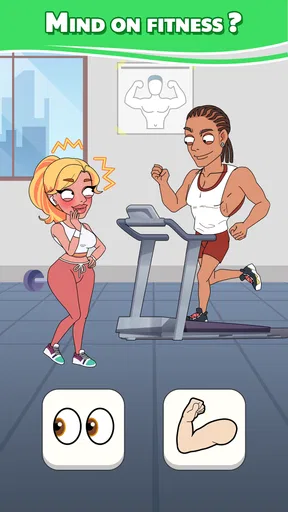

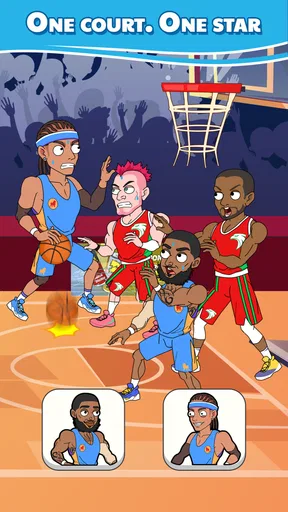
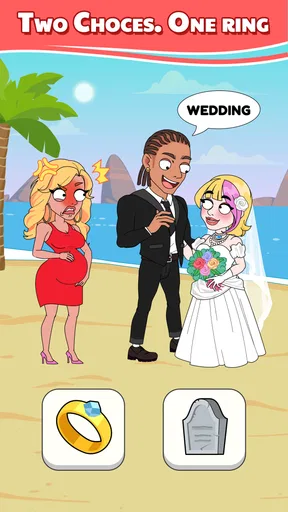
Our Review of Star's Choices: Fun Story
 Analysis by Appyee
I went into Star's Choices: Fun Story expecting a light adventure game built around quick decisions, and that is exactly the role it fills best. Developed by NAVYFUN GAMES, it turns the idea of chasing fame into a sequence of puzzles and story choices. Rather than asking me to master complicated controls, it keeps the focus on reading situations, weighing consequences, and deciding what kind of path I want the central character to follow.
That makes it an interesting option for players who enjoy interactive stories but still want something more active than simply tapping through dialogue. The game is free, belongs to the adventure category, and is aimed at a Teen audience. I found it easiest to appreciate when I treated each choice as part of a larger experiment: choose an approach, see how the story reacts, and adjust my thinking on the next attempt.
The store summary, “Puzzle your way through fame,” is a useful description of the basic idea, but it does not fully explain the appeal. The real attraction is the tension between immediate choices and the broader direction of the story. You are not only trying to move forward; you are also deciding how much risk, patience, or ambition makes sense in a situation.
How I Decided Whether It Was Worth Playing
When I review a choice-driven adventure, I look at more than the premise. The first question is whether the decisions feel meaningful enough to justify paying attention. If every answer leads to the same result, the game quickly becomes a passive reading exercise. If the game makes every decision obscure or arbitrary, it becomes frustrating rather than thoughtful.
With this title, I paid attention to how clearly each situation communicated its stakes. The best moments are the ones where I can understand why an option might help, while still wondering whether it is the wiser move. That balance gives the puzzles their purpose. I am not simply hunting for a hidden correct button; I am trying to interpret the character’s circumstances.
The second decision criterion is convenience. This is the kind of game I would open during a short break, while waiting for an appointment, or at the end of the day when I want a story without a demanding learning curve. Its minimum operating requirement is Android 7.0, so it is accessible to people using older compatible devices rather than being limited to recent hardware.
The third test is replay value. A decision game does not need endless content to be enjoyable, but it should give me a reason to think about earlier choices. I found that the fame theme naturally supports this because success is not presented as a single simple destination. A cautious route and a bold route can both sound attractive, depending on what the current situation seems to demand.
Finally, I considered the audience. The Teen rating matters because the tone and subject matter are not designed as a children’s game. Someone looking for a purely relaxing match-three experience, a deep role-playing system, or a competitive multiplayer challenge should set different expectations. This is primarily a narrative puzzle adventure, and its satisfaction comes from decisions rather than reflexes.
The central loop rewards attention more than speed
My preferred way to play was to slow down before selecting an answer. I read the situation once to understand the immediate problem, then again to look for what the character might gain or lose. That small habit made the game feel more strategic. It also prevented me from choosing an option simply because its wording sounded exciting.
A useful technique is to separate short-term progress from long-term character direction. An option that solves the current obstacle may create a less comfortable position later, while a restrained choice may seem unhelpful at first but preserve better possibilities. I cannot promise that every scene follows one rigid pattern, but approaching the game this way made its decision-making more engaging than random tapping.
Another practical tip is to avoid playing while distracted. These are not puzzles I would recommend treating as background noise. If I skipped the wording of a situation, I often lost the context that made the decision interesting. A few focused minutes worked better than a longer session in which I repeatedly tapped through the story without thinking.
Why the fame theme gives the puzzles a distinct identity
Many interactive adventures use danger, mystery, romance, or fantasy as their main pressure point. Here, the pursuit of fame creates a different kind of conflict. Recognition can open doors, but it can also encourage choices that are too impulsive, too public, or too focused on immediate attention. That gives the player a reason to question whether being noticed is always the same as moving forward.
I liked that the theme makes ordinary decisions feel connected to a larger personal journey. The game does not need a complicated combat system to create tension when the question is whether the next step will strengthen the character’s position or expose a weakness. This is where it stands apart from a conventional action adventure: the challenge is social and strategic rather than physical.
Where Star's Choices: Fun Story Wins
The strongest part of the game is its accessibility. I did not need to learn a large control scheme or memorize a collection of systems before enjoying the story. The basic interaction is easy to understand, which lets the game spend its energy on situations and consequences. For a player who likes narrative games but dislikes complicated menus, that is a meaningful advantage.
It also works well as a compact, low-commitment experience. I could pick it up without preparing for a long session, yet the choices gave me enough to think about after putting it down. That makes it suitable for a commute or a quiet evening when I want involvement without the obligation that often comes with a large open-world game.
The puzzle element is another positive. The game is not just a chain of disconnected conversations. The fame-focused setting gives the choices a common direction, so I could judge an option according to the kind of career or public image it might support. That thematic connection helps the story feel more coherent than a collection of unrelated mini-scenarios.
I also appreciated the way it invites self-reflection. When I reached an uncertain decision, I sometimes found myself choosing based on what I would do rather than what seemed safest for the character. That is a good sign in an interactive story. It means the game can reveal something about the player’s preferred style: careful and patient, ambitious and direct, or willing to take a chance when the reward looks attractive.
The game has also found a substantial audience. It has passed one million installs and holds an average rating of 4.9 from around 4.6 thousand ratings. Those figures do not replace personal experience, but they do suggest that the simple choice-driven format has connected with many players.
Small habits that make the experience better
I recommend keeping a mental note of the kind of path you are pursuing. If you want a consistent character arc, do not judge every scene in isolation. Ask whether the next decision fits the image you are building. This is more rewarding than trying to select the option that appears most dramatic each time.
It is also worth accepting an imperfect outcome. In many choice games, players become obsessed with finding the ideal route immediately. That can turn the experience into a search for solutions rather than a story. I enjoyed it more when I allowed a questionable result to stand, considered why it happened, and used that lesson later.
For short sessions, I found it helpful to stop after a meaningful decision rather than quitting in the middle of a situation. That made it easier to remember the context when I returned. It is a minor routine, but it suits a game where the emotional effect of a choice matters as much as simply reaching the next screen.
The free entry point is a practical strength
Because the game is free, the barrier to trying it is low. I can recommend it to someone who is curious about interactive adventure games but does not yet know whether the format suits them. It is also a reasonable download for players who want something different from endless runners or competitive battles without committing money at the start.
Free access does not automatically make a game good, of course. The important point is that this title’s core appeal is easy to understand quickly. A player can discover whether the decision-and-story rhythm feels enjoyable without first investing in a complicated setup. That makes it a sensible test for newcomers to the genre.
Where Another Kind of Game May Fit Better
The same simplicity that makes the game approachable may disappoint players who want deep mechanics. If your ideal adventure includes detailed exploration, equipment management, tactical combat, or a large world to investigate, this is probably not the right substitute. Its focus is the chain of choices, not the breadth of a traditional role-playing adventure.
It may also feel too guided for players who want complete freedom. The story gives me situations to interpret, but it is not the same as designing my own character, choosing a destination, and creating an unscripted adventure. A sandbox game will be better for someone who values emergent stories over authored decisions.
Players who prefer fast action should look elsewhere as well. The appeal here is not reaction speed. There is little reason to rush, and rushing can actively weaken the experience because the wording of a choice is part of the puzzle. Someone who wants constant movement or competitive pressure may find the pace too measured.
Compared with visual novels, the game’s puzzle framing gives decisions a more active role, but readers who want long stretches of uninterrupted prose may prefer a more traditional story format. Conversely, players who expect every decision to create a dramatic branch may need patience. The enjoyment comes from how choices shape the journey, not necessarily from treating each selection as a completely separate game.
There is also a personal taste issue around the fame setting. If stories about ambition, public attention, and building a reputation appeal to you, the theme gives the puzzles a clear identity. If you find celebrity-focused narratives uninteresting, the central premise may not hold your attention even when the individual decisions are well presented.
What the Teen rating means for choosing it
I would not pick this as a family game for young children simply because the controls are easy. The Teen rating is a better guide to the intended audience than the accessible interface. Parents choosing a game for a younger player should consider whether the story’s themes and situations are appropriate for that child.
For teenagers and adults, the rating is less of a concern than personal preference. I found the game most appealing when I wanted a story with some tension and judgment calls, rather than a completely carefree distraction. It fits a thoughtful break better than a game chosen purely to fill time.
The Cost of Switching From It to an Alternative
Switching to a different adventure style is not only about installing another game. It changes what you are asking from your free time. Moving to an action title means accepting faster decisions and more mechanical practice. Moving to a large role-playing game means learning systems, managing progress, and committing longer sessions. Moving to a conventional visual novel means giving up some of the puzzle-like interpretation.
That trade-off is why I would not describe this game as universally better or worse than those alternatives. It is better when I want a focused decision experience with a fame-centered story. It is worse when I want exploration, combat, or a sense of unrestricted movement. Choosing correctly depends on the kind of attention I have available that day.
For example, imagine waiting for a delayed train with only short periods of concentration. A large adventure may be awkward because I would spend too much time remembering controls and objectives. This game is more suitable: I can read a situation, make a choice, and pause after a turning point. On the other hand, during a weekend when I want to disappear into a richly detailed world, I would probably choose a deeper role-playing adventure instead.
Another switching cost is emotional investment. In a choice-driven story, I become attached to the direction I have created. Moving to a different game means leaving that particular journey behind, even if the replacement offers more content. I suggest finishing a satisfying stretch before changing games, rather than judging this title against alternatives only by total size.
The current version is 1.0.59, and the game was released on June 14, 2025. Those details are useful when deciding whether it fits your device and expectations, but they do not tell me how much I will personally enjoy the format. The more important question is whether I want a story where interpretation and consequences carry the experience.
Who should make the switch, and who should stay
If you are tired of action games that demand constant concentration, this is a good change of pace. It gives your attention a different job: noticing context, comparing motives, and thinking through possible outcomes. I would especially suggest it to players who enjoy discussing what they would have chosen after a scene ends.
If you already know that you dislike reading, branching decisions, or stories centered on personal ambition, switching to this game may only create frustration. A puzzle game with clear visual rules or an arcade title with immediate feedback would likely suit you better. The free price makes experimentation easy, but it does not change the underlying genre.
For experienced interactive-fiction players, the decision depends on how much complexity you need. This title is a comfortable entry point and a convenient casual option, but advanced players may want denser branching, more elaborate world-building, or stronger control over the protagonist. I would approach it as an accessible adventure rather than a highly technical narrative simulation.
My Recommendation After Playing
I recommend Star's Choices: Fun Story to anyone who wants a free adventure game built around puzzles, fame, and personal decisions. Its best quality is the way it makes a simple interaction feel purposeful. I could play in short sessions, but I still had reasons to think carefully instead of tapping automatically.
My recommendation comes with a clear condition: choose it for the story and decision-making, not for combat, exploration, or competitive depth. If that distinction matches what you are looking for, the game offers an approachable way into interactive adventures. If you want a huge world or highly demanding mechanics, another category will serve you better.
NAVYFUN GAMES has created a game that understands the value of a focused premise. The pursuit of fame gives the choices a consistent emotional direction, while the puzzle structure keeps the experience from becoming a purely passive read. I found the balance more enjoyable when I played slowly and accepted that an imperfect path can still be an interesting one.
For me, the final decision is positive. The Teen-rated adventure is easy to try, works well for short breaks, and gives thoughtful players enough room to question their instincts. Choose it when you want your next mobile game to ask what you would do, not just how quickly you can react.
Verdict
Strengths of Star's Choices: Fun Story
- Short chapters make it easy to play in quick sessions.
- Frequent choices give the story a more interactive feel.
- Bright character designs are appealing and easy to follow.
- The game is simple to learn, even for casual players.
- Romance and drama themes offer broad entertainment appeal.
Limitations of Star's Choices: Fun Story
- Some choices may feel less meaningful than the game suggests.
- Progress can become repetitive after several chapters.
- Energy or waiting systems may interrupt longer play sessions.
- The app may require considerable storage for story content.
- Ads or optional purchases can affect the overall experience.
Similar Picks in This Category
View All
Roblox
Roblox Corporation4.2

Pokémon GO
Niantic, Inc.3.5

Ninja warrior: legend of adven
TOH Games4.6

Ninja Arashi
Black Panther4.6

Eyes - The Horror Game
Fearless Games sp. j.4.5

Critical Action:Gun Strike Ops
FPS Shooter & Action Game4.3
Frequently Asked Questions
What is Star's Choices: Fun Story?
Star's Choices: Fun Story is an interactive story game in which you guide characters through dramatic, romantic, and sometimes surprising situations. Instead of simply reading, you make important decisions that can influence conversations, relationships, and the direction of each chapter. The app is designed for players who enjoy visual novels, branching narratives, character development, and short story sessions on mobile devices.
How does gameplay work in Star's Choices: Fun Story?
Gameplay mainly involves reading scenes, following the plot, and selecting dialogue or action choices when they appear. Some decisions can affect how other characters react and may lead the story toward different outcomes. The experience is relatively easy to understand, making it suitable for casual players, although you may need to replay chapters if you want to explore alternative choices or see how different decisions change the narrative.
Is Star's Choices: Fun Story free to download and play?
Star's Choices: Fun Story can generally be downloaded without an upfront purchase, but the free experience may include advertisements, limited resources, or optional in-app purchases. Certain choices, outfits, story episodes, or premium interactions may require virtual currency or payment. Before downloading, it is worth checking the current store listing and reviewing the purchase settings, especially if children may access the device.
Does Star's Choices: Fun Story require an internet connection?
An internet connection may be needed for downloading story content, synchronizing progress, displaying advertisements, and processing optional purchases. Some previously loaded sections might work temporarily offline, but this should not be assumed for the entire game. If you plan to play while traveling or without mobile data, open the app beforehand and confirm which chapters remain available when the connection is disabled.
Is Star's Choices: Fun Story suitable for children?
Suitability depends on the specific stories and the player's age. Interactive story games can include romance, relationship conflicts, emotional drama, and themes that are more appropriate for teenagers or adults than young children. Parents should review the age rating, privacy information, advertisements, and in-app purchase options before allowing access. Device-level parental controls are also recommended to prevent accidental purchases or unrestricted use.
Play our best games!


